


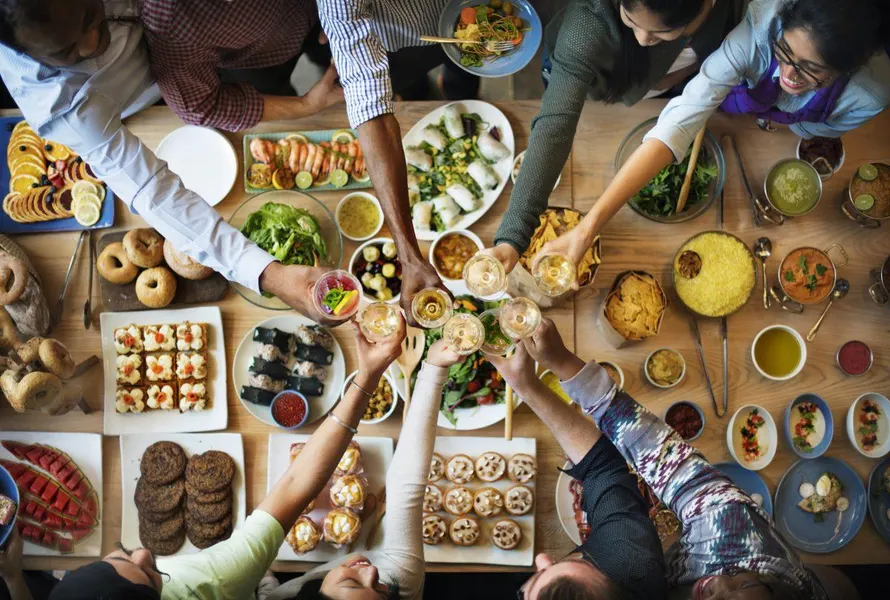
Cultural Immersion Through Local Food Experiences and Culinary Tourism
Let’s be honest. You can see all the famous landmarks, take the perfect Instagram photo, and tick every box in the guidebook. But have you really been somewhere if you haven’t tasted it? If you haven’t felt the steam from a street vendor’s cart on your face or learned the proper way to eat a dish from a local grandmother? Probably not.
This is the magic of culinary tourism. It’s not just about eating; it’s about connecting. It’s about understanding a culture through its most fundamental, shared language: food. Forget the tourist-trap restaurants with menus in six languages. The real story is simmering in a market stall, sizzling on a family-run grill, and being passed down through generations in a home kitchen. That’s where true cultural immersion through local food experiences begins.
Why Food is Your Fastest Passport to a Culture
Think of a country’s cuisine as its edible history book. Every ingredient, every spice blend, every cooking technique has a story. It’s shaped by geography, climate, trade routes, migration, and even religion. That bowl of pho in Hanoi? It whispers tales of French colonial influence meeting ancient Vietnamese traditions. The complex moles of Oaxaca? They speak of indigenous ingredients blended over centuries.
When you engage in culinary travel, you’re not just a spectator. You become a participant in a living, breathing narrative. Here’s the deal: food breaks down barriers. A shared meal is a universal sign of hospitality. It creates a moment of common ground, a space where language differences fade and genuine interaction flourishes. You learn what a community values—family, seasonality, resourcefulness—all by sitting down at their table.
Moving Beyond the Restaurant: How to Truly Taste a Place
Sure, a nice restaurant has its place. But for deep cultural immersion, you need to go deeper. The goal is to move from consuming food to experiencing it. Here are a few ways to make that happen.
1. Hit the Markets. Like, First Thing.
A local market is the beating heart of a food culture. It’s a chaotic, vibrant, sensory overload in the best way possible. This is where you’ll see what’s in season, what’s prized, and how people really shop. Smell the herbs, sample the strange fruits, and watch the interactions between vendors and regulars. It’s a masterclass in local life.
2. Take a Hands-On Cooking Class
This is, honestly, one of the best investments you can make on a trip. A cooking class isn’t just about learning a recipe. It’s about understanding the “why” behind the food. Why do we pound the spices this way? Why is this vegetable so important? You learn techniques passed down through families, and you get to enjoy the glorious results with your fellow students. It’s a souvenir you can actually recreate at home.
3. Embrace the Street Food Scene
Street food is the soul of a city. It’s often the most authentic, affordable, and delicious food you’ll find. The vendor who has been making the same perfect dumpling for 40 years isn’t concerned with trendy presentations. They are concerned with taste, consistency, and feeding their community. Join the queue. Point at what looks good. You won’t regret it.
4. Seek Out Hyper-Local Specialties
Every region, every town, sometimes even every village, has a dish you simply can’t get anywhere else. It might be a cheese, a pastry, a specific way of preparing fish. Do a little research before you go—what is this place known for? Then, make it your mission to find it. This pursuit often leads you to places and people you’d otherwise never encounter.
The Ripple Effect: Why Your Food Choices Matter
Here’s a thought. When you choose to spend your money on local food experiences, you’re doing more than just getting a good meal. You’re participating in a form of sustainable tourism. Your euros, yen, or pesos go directly into the pockets of local families, farmers, and artisans. You’re helping to preserve culinary traditions that might otherwise be lost to globalization and fast-food chains.
This conscious approach to culinary travel creates a positive feedback loop. It encourages the preservation of foodways and supports the local economy. It’s a way to travel that feels good, both for you and for the place you’re visiting.
A Sample Day of Culinary Immersion
Let’s make it concrete. What does this actually look like? Imagine a day in, say, Lisbon:
| Morning | Start at the Mercado da Ribeira (Time Out Market) not just to eat, but to observe. Watch the fishmongers, smell the bacalhau (salted cod), and have a coffee alongside locals on their morning break. |
| Late Morning | Join a small-group cooking class focused on Petiscos (Portuguese tapas). Learn to make a perfect pasteis de bacalhau while your instructor shares stories of family meals. |
| Lunch | Eat what you cooked! Share a table with other travelers, exchanging stories and impressions. |
| Afternoon | Wander into a pastelaria that’s away from the main squares. Order a pastel de nata and notice the subtle differences from the more famous versions. |
| Evening | Find a tiny, family-run tasca in the Alfama district. Point to dishes on other tables. Let the owner recommend a glass of vinho verde. This is where the magic happens. |
The Last Bite
The flavors you bring home are more than just memories. They’re insights. They change the way you see the world, and maybe even the way you cook in your own kitchen. The next time you sprinkle a spice you discovered in a Marrakech souk or attempt to recreate a pasta you learned in Bologna, you’re not just cooking. You’re reliving a connection.
Cultural immersion through food isn’t a checklist item. It’s a mindset. It’s a willingness to be curious, to be adventurous, and to understand that the most direct route to the heart of a culture is often through the stomach. So, on your next journey, ask not just “What should I see?” but “What should I taste?” The answer will lead you somewhere truly special.